

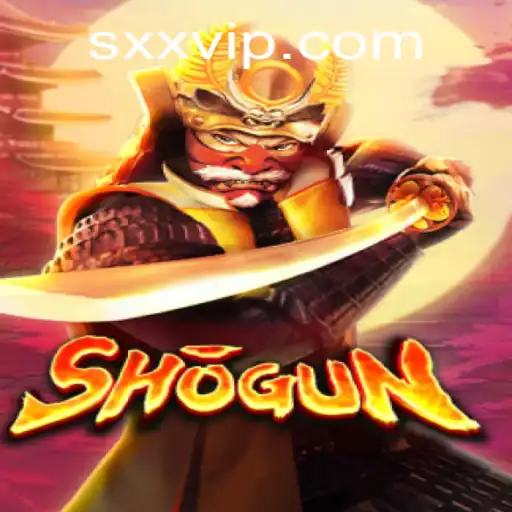
Dive into the engaging world of 'Shogun,' a strategic board game rich in history, intrigue, and complex gameplay dynamics.
The World of 'Shogun': A Strategic Masterpiece
The board game ‘Shogun’ offers a captivating journey through feudal Japan's political landscape, challenging players to harness their strategic acumen to achieve dominance. It intertwines history, culture, and gameplay into a complex yet rewarding experience. This article delves into the game’s intricacies, providing insights into its introduction, captivating elements, and the rules that govern its play.
Introduction to 'Shogun'
‘Shogun’ transports players to the tumultuous Sengoku period in Japan, an era characterized by the shogunate war lords vying for power. This historical backdrop offers an ideal setting for a thorough strategic board game where players assume the roles of daimyo, powerful samurai leaders who seek to unify the land under their rule. The game evokes a deep sense of history, as each move feels like a step through this volatile epoch.
The allure of ‘Shogun’ lies not just in its rich historical setting but also in its intricate mechanics, demanding players to carefully plan and anticipate their adversaries’ actions. It stands out for its ability to incorporate both strategic warfare and resource management, requiring players to balance conquest with consolidation.
Gameplay Dynamics
‘Shogun’ requires strategic clarity and foresight. Players engage in a campaign marked by the ever-present need to expand while securing the stability of their existing territories. The board is a representation of Japan, divided into provinces each providing different resources necessary for victory. Success depends on the players’ ability to acquire these territories and leverage their resources wisely.
The game employs a cube-tower mechanic, adding both an element of unpredictability and realistic military simulation by taking into account previous battles' cumulative effects on future confrontations. This element simulates the battlefield dynamics where not all forces engage equally, reflecting the chaos of real warfare.58678.COM
i2BETEssential Rules and Mechanics
The foundation of ‘Shogun’ is grounded in its distinctive ruleset, which comprises several phases:
1. Planning Phase
During the planning phase, players secretly assign their available resources to various activities such as troop deployment, castle construction, or reinforcing provinces. This hidden allocation intensifies the need for strategic foresight and offers an intriguing level of mind games as players second-guess their opponents’ intentions.
2. Action Phase
Actions are revealed and resolved in a predetermined order, heightening the tension as players execute their plans while grappling with opponents’ actions. Here, strategic positioning comes to the forefront as players maneuver to gain the upper hand in territory control and resource acquisition.
5HHH3. Economic Phase
This phase reflects the importance of maintaining a balanced economy. Players collect resources, pay upkeep for their armies, and make investments. The economic aspect demands careful management; missteps can lead to shortages that inhibit expansion efforts.6846.COM
4. Combat System
Combat in ‘Shogun’ is resolved with the cube tower, a unique element that reflects probabilities and previous combat outcomes. Players must weigh the risks and choose their battles wisely, adding a layer of depth to military engagements.
The Role of Strategy and Adaptation
To excel at ‘Shogun,’ players must effectively adapt to changing circumstances while maintaining a firm grasp on their long-term goals. A player’s ability to pivot strategies in response to unexpected events—be they shifts on the board or the actions of other players—is crucial to success. Flexibility can transform an apparent setback into an opportunity.
Importantly, diplomacy can also play a role. Forming temporary alliances, persuading adversaries, and strategic backstabbing all become part of the complex web of interplayer dynamics, enhancing the game’s depth.
Current Events and 'Shogun'
While ‘Shogun’ is firmly rooted in a historical past, parallels can be drawn between its themes and modern-day strategic thinking. From corporate boardrooms to political arenas, the same principles of territorial expansion, resource management, and strategic foresight find contemporary relevance. As global events continue to shape the geopolitical landscape, the lessons of ‘Shogun’ echo the complexities faced by modern leaders.5HHH
The advent of augmented reality (AR) and artificial intelligence (AI) in gaming further enriches the experience of ‘Shogun’, offering players immersive tools that simulate decision-making processes akin to historical warfare. These technologies highlight how traditional board games can evolve and engage new audiences by merging the tactile with the digital.
‘Shogun’ continues to captivate players both old and new. It remains a testament to the timeless intrigue of strategic games set against deeply historical backdrops.



0 Comentários